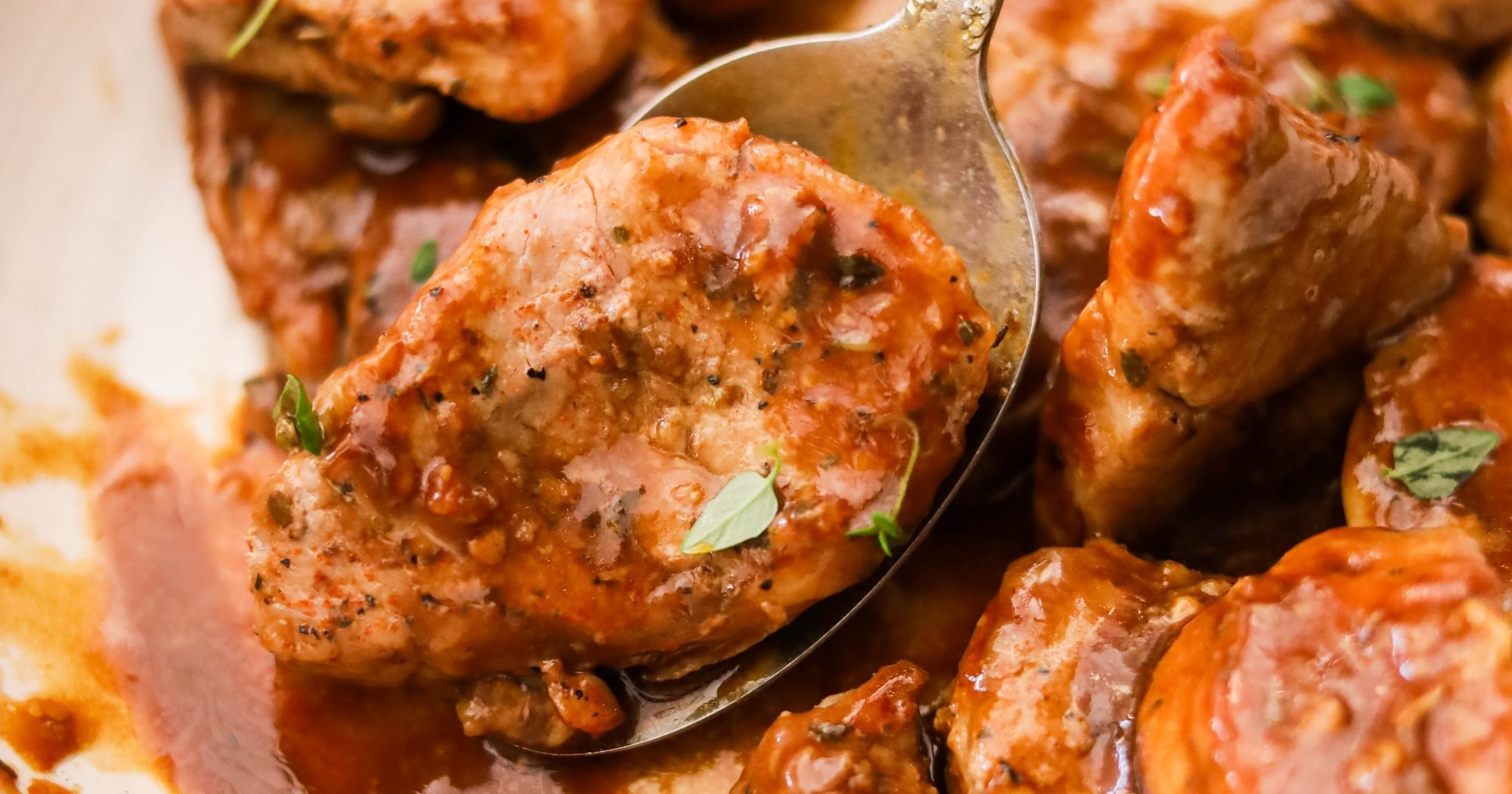
Pan-Fried Pork Tenderloin: Skip the Loin, Master Doneness & Skin for Weeknight Perfection
Imagine a dinner that’s both elegant and incredibly simple to prepare, bursting with flavor and fork-tender. That’s the magic of
pan-fried pork tenderloin. Often overshadowed by other cuts or, worse, mistaken for its tougher cousin, the pork loin, the tenderloin is a true culinary gem. In just minutes, you can transform this lean, delicate cut into juicy medallions bathed in a savory sauce, perfect for any weeknight or special occasion. Forget dry, overcooked pork – we’re about to unlock the secrets to achieving perfect doneness, impeccable texture, and irresistible flavor, all starting with the right cut and a hot skillet.
Why Pork Tenderloin Reigns Supreme (And Why It's Not a Loin)
Let's clear up a common misconception right away:
pork tenderloin is not the same as pork loin. This distinction is crucial for pan-frying success. A pork loin is a much larger, leaner cut, best suited for roasting whole. The
pork tenderloin, on the other hand, is a long, thin, and exceptionally delicate muscle. It's often referred to as the "filet mignon of pork" for good reason.
Years ago, some home cooks, myself included, might have avoided pork tenderloin due to misconceptions about its appearance. Its slightly darker color compared to pork loin led some to believe it was fatty or akin to "dark meat" in poultry. However, this couldn't be further from the truth. Pork tenderloin is remarkably lean, very tender, and incredibly quick-cooking. It’s also wonderfully affordable and acts like a sponge for marinades and seasonings, absorbing flavors beautifully. Its natural tenderness means that when cooked correctly, you can almost cut it with a fork. This makes it an ideal candidate for rapid cooking methods like pan-frying, where its delicate structure shines.
The Essential Prep: Don't Skip the Silver Skin (and Slicing for Success)
Before your pork tenderloin even touches the skillet, a critical preparatory step ensures optimal tenderness and an enjoyable eating experience:
removing the silver skin. This thin, silvery-white membrane is a type of connective tissue that runs along one side of the tenderloin. Unlike layers of fat that render and melt during cooking, silver skin is tough and inedible. If left intact, it will contract during cooking, making the meat chewy and causing the tenderloin to curl and cook unevenly.
Here's how to remove it effectively:
1. Place the tenderloin on a cutting board.
2. Using a sharp, thin knife (a boning knife or filet knife works best), gently slide the tip of the blade just under one end of the silver skin.
3. Angle the knife slightly upwards, away from the meat, and carefully slice along the length of the silver skin, pulling the silver skin taut with your other hand as you go. This allows you to remove the membrane without taking too much precious meat with it.
4. Once removed, discard the silver skin.
After removing the silver skin, the next step for perfectly pan-fried pork tenderloin is to slice it into uniform medallions. Typically, slices about 1 to 1 ½ inches thick work best. This creates individual portions that cook quickly and evenly, ensuring each piece is seared to a beautiful crust while remaining juicy within. Before seasoning, pat the medallions thoroughly dry with paper towels. A dry surface is essential for achieving that desirable golden-brown crust when searing.
Mastering the Pan-Fry: Achieving Perfect Doneness Every Time
The biggest hurdle many face with pork tenderloin is the fear of undercooking, which often leads to the greater culinary sin:
overcooking. Overcooked pork tenderloin quickly becomes dry, tough, and bland. The key to a succulent, juicy pan-fried pork tenderloin lies in precision and timing.
Pork is safely ready to eat when its internal temperature reaches
145°F (63°C). This is a game-changer for many who grew up believing pork needed to be cooked until gray throughout. At 145°F, the center of your pork medallions may still exhibit a slight hint of pink, and this is perfectly fine – in fact, it's ideal for maximum juiciness and flavor. As the meat rests for a few minutes after cooking, carryover cooking will occur, and the pink hue may lessen further. A reliable instant-read meat thermometer is your best friend here, taking the guesswork out of achieving perfect doneness.
To pan-fry your medallions:
1. Heat a heavy-bottomed skillet (cast iron or stainless steel works wonderfully) over medium-high heat with a swirl of high smoke-point oil (like canola, grapeseed, or avocado oil) until shimmering.
2. Add the seasoned pork medallions in a single layer, ensuring not to overcrowd the pan. Cook in batches if necessary.
3. Sear for 2-3 minutes per side, until a beautiful golden-brown crust forms.
4. Reduce the heat to medium-low and continue to cook, flipping occasionally, until an internal meat thermometer registers 140-145°F. This typically takes only a few more minutes, depending on the thickness of your medallions.
5. Once cooked, remove the pork from the pan and let it rest on a cutting board, loosely tented with foil, for 5-10 minutes. This resting period allows the juices to redistribute throughout the meat, resulting in incredibly tender and moist medallions.
For a comprehensive guide on achieving that perfect crispy and juicy result, check out our article:
Crispy & Juicy: Master Pan-Fried Pork Tenderloin in 30 Mins.
Elevate Your Dish: Sauces and Sides That Shine
While perfectly cooked
pan-fried pork tenderloin is delicious on its own, a complementary sauce can elevate the dish from great to extraordinary. One of the most beloved accompaniments is a rich, sweet, and savory
balsamic gravy. This luscious sauce, often made directly in the pan after searing the pork to capture all those flavorful browned bits, adds a luxurious touch that truly makes the meal extra special. Its tangy sweetness perfectly complements the tender pork, inviting you to spoon it generously over every bite.
If balsamic vinegar isn't to your taste, a basic pork gravy can be made, or even a simple garlic butter sauce. For an added layer of complexity and depth of flavor in your seasoning, consider using an Umami seasoning blend. This "something extra" ingredient can truly transform your dish, adding a savory richness that makes it irresistible. If you don't have Umami seasoning, a high-quality all-purpose steak seasoning can be a good substitute.
To complete your pan-fried pork tenderloin meal, choose sides that absorb or complement the delicious pan sauce. Creamy mashed potatoes (perhaps even sour cream mashed potatoes for extra richness) are a classic pairing, as is mashed cauliflower for a lighter option. Simple sautéed vegetables like carrots or green beans also make for a perfect go-along, rounding out this easy, 30-minute weeknight meal. For a closer look at crafting that irresistible balsamic gravy, explore our recipe:
Easy Weeknight Pan-Fried Pork with Sweet Balsamic Gravy.
In conclusion, pan-fried pork tenderloin is an undeniably versatile, delicious, and surprisingly quick meal that deserves a regular spot in your recipe rotation. By understanding the distinction between tenderloin and loin, meticulously preparing the meat by removing the silver skin, mastering the art of precise cooking temperatures, and pairing it with a delectable sauce, you can consistently achieve tender, juicy, and flavorful results. This undervalued cut, once given the proper attention, promises to deliver a truly satisfying culinary experience that's both elegant and approachable for any home cook.