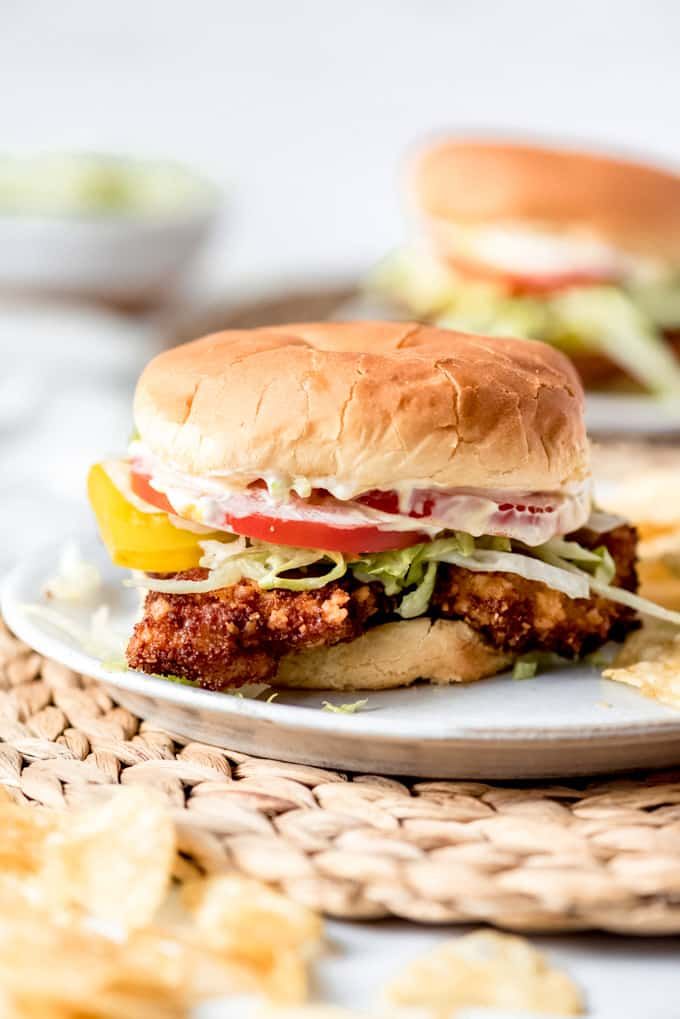
Crispy & Juicy: Master Pan-Fried Pork Tenderloin in 30 Mins
Craving a restaurant-quality meal that’s both quick and incredibly satisfying? Look no further than pan fried pork tenderloin. This culinary gem, often overlooked, transforms humble pork into an unforgettable dish with a perfectly seared, crispy exterior and a succulent, juicy interior. Best of all? You can achieve this weeknight wonder in just 30 minutes, making it a reliable staple for busy schedules without compromising on flavor.
Forget dry, overcooked pork. Our comprehensive guide will walk you through the simple steps to master pan-frying pork tenderloin, ensuring every medallion is bursting with savory goodness. We’ll uncover the secrets to perfect searing, ideal doneness, and how to create a mouth-watering sauce that ties the whole meal together.
Why Pork Tenderloin? An Undervalued Culinary Gem
For years, pork tenderloin has been a hidden treasure in the meat aisle, often mistaken for the much larger, tougher pork loin or dismissed due to misconceptions about its appearance. Many home cooks, perhaps like yourself, might shy away, assuming it's fatty or difficult to cook. However, this couldn't be further from the truth.
- Unrivaled Tenderness: Pork tenderloin lives up to its name. It is exceptionally tender, so much so that it can often be cut with just a fork. This natural tenderness is why it cooks quickly and remains incredibly juicy when prepared correctly.
- Quick-Cooking Champion: Unlike larger cuts that demand hours in the oven, pork tenderloin cooks in a flash. Sliced into medallions, it’s ideal for rapid searing, perfect for those evenings when time is of the essence.
- Lean and Healthy: Despite any initial reservations about "dark meat" comparisons to poultry, pork tenderloin is remarkably lean, making it a healthy protein option for various diets.
- Flavor Sponge: Its mild flavor profile makes it a fantastic canvas for absorbing marinades, rubs, and seasonings. Whether you prefer a bold garlic herb blend or a sweet and savory glaze, pork tenderloin readily soaks up whatever deliciousness you throw its way.
- Economical Choice: Pound for pound, it's often a reasonably priced cut, offering gourmet results without breaking the bank.
Quick Tip: It’s vital not to confuse pork tenderloin with pork loin. While both are pork cuts, the pork loin is a much larger, leaner, and less tender cut, requiring different cooking methods and times. For this recipe, ensure you have the slender, cylindrical pork tenderloin for optimal results.
Prepping for Perfection: Essential Steps Before You Fry
The secret to exceptional pan fried pork tenderloin begins before it even touches the hot skillet. Proper preparation ensures even cooking, maximum flavor, and that coveted tender texture.
Remove the Silver Skin
This is arguably the most crucial prep step. The "silver skin" is a thin, whitish, iridescent membrane often found along one side of the pork tenderloin. It's a tough connective tissue that, unlike fat, will not render or break down during cooking. If left on, it will contract, making the pork curl, and result in an unpleasant chewy texture.
- Identify: Locate the silvery membrane on the tenderloin.
- Lift: Using a sharp knife, carefully slide it just under one end of the silver skin, lifting it slightly.
- Slice: Hold the lifted end firmly, and with the knife angled slightly upwards, slice along the length of the silver skin, separating it from the meat. Take care to remove as little meat as possible.
For more detailed guidance on identifying and removing silver skin, along with mastering doneness, check out our companion article: Pan-Fried Pork Tenderloin: Skip the Loin, Master Doneness & Skin.
Slice and Season Your Medallions
- Slice Evenly: Once the silver skin is removed, pat the tenderloin dry with paper towels. Cut the tenderloin into 1-inch thick medallions. Even thickness is key for consistent cooking.
- Season Generously: This is where flavor really builds. A simple yet effective seasoning often includes salt, freshly ground black pepper, garlic powder, and onion powder. For an extra layer of savory depth, consider an Umami seasoning blend – it truly has that "something extra" that elevates the dish. If you don't have Umami seasoning, an all-purpose steak seasoning makes a great substitute. Don't be shy with the seasoning; coat both sides of each medallion thoroughly.
- Pat Dry (Again): After seasoning, lightly pat the medallions dry one last time. Excess moisture on the surface can prevent a good sear and crispy crust, steaming the meat instead of browning it.
The Art of the Pan Fry: Achieving Crispy & Juicy Results
With your pork tenderloin medallions prepped, it's time to unleash the magic of the pan. Mastering this technique is what separates good pan fried pork tenderloin from truly spectacular.
Heat, Oil, and Searing Strategy
- Choose Your Pan: A heavy-bottomed skillet, such as cast iron or stainless steel, is ideal. It retains heat exceptionally well, ensuring an even and consistent sear.
- Heat the Pan: Place your skillet over medium-high heat. Allow it to preheat for 2-3 minutes. You want the pan hot enough to create an immediate sizzle when the meat touches it.
- Add Oil: Pour in a high-smoke-point oil (like canola, grapeseed, or avocado oil) just enough to coat the bottom of the pan. Let the oil shimmer, but don't let it smoke excessively.
- Sear in Batches: Carefully place the seasoned pork medallions into the hot oil, ensuring they are not overcrowded. Overcrowding lowers the pan's temperature and steams the meat instead of searing it. Work in batches if necessary, giving each piece enough space.
- Achieve the Crust: Sear for 2-4 minutes per side, undisturbed, until a beautiful golden-brown crust forms. This crust is crucial for both flavor and texture. Resist the urge to move the pork too soon!
Mastering Doneness and Resting
Overcooking is the ultimate enemy of tender pork tenderloin. It’s the primary reason many people end up with dry, tough meat. Here’s how to avoid it:
- Use a Meat Thermometer: This is your best friend. Insert an instant-read meat thermometer into the thickest part of a medallion. Pork is perfectly cooked and safe to eat when it reaches an internal temperature of 145°F (63°C).
- Don't Fear the Pink: At 145°F, the center of the pork may still appear slightly pink. This is absolutely normal and indicates perfectly juicy, tender meat. As it rests, the internal temperature may rise slightly, and the pinkness might lessen.
- Test Early: Err on the side of caution. Start checking the temperature sooner rather than later, especially if your medallions are thinner.
- Rest is Best: Once the pork reaches 145°F, immediately remove it from the pan and transfer it to a cutting board. Tent loosely with foil and let it rest for at least 5-10 minutes. This critical step allows the juices to redistribute throughout the meat, ensuring every bite is succulent and tender. Skipping the rest will result in juices running out when you slice, leaving you with dry pork.
Elevating Your Pan-Fried Pork: Sauces and Sides
While perfectly pan fried pork tenderloin is delicious on its own, a complementary sauce and well-chosen side dishes can transform it into an extraordinary meal.
Crafting the Perfect Sauce
The pan drippings left after searing are a treasure trove of flavor. Don't let them go to waste!
- Sweet and Savory Balsamic Gravy: A balsamic gravy is a fantastic choice, offering a delightful balance of sweetness and tang that cuts through the richness of the pork. Simply deglaze the pan with a splash of broth or wine, then add balsamic vinegar and a touch of honey or brown sugar. Thicken with a cornstarch slurry for a luscious, spoonable sauce. This sweet and savory combination is a game-changer! For a full recipe, explore our article on Easy Weeknight Pan-Fried Pork with Sweet Balsamic Gravy.
- Rich Garlic Sauce: For a robust and deeply savory experience, opt for a garlic-infused sauce. After searing the pork, sauté minced garlic in the pan drippings, then deglaze with chicken broth. Simmer until slightly reduced and thickened, perhaps with a pat of butter swirled in at the end for extra richness. This thick, savory sauce is incredibly addicting and perfect for coating every piece of pork.
- Basic Pork Gravy: If balsamic isn't your preference, a simple pan gravy made with broth, a roux (butter and flour), and herbs will always be a comforting classic.
Pro Tip: Once your sauce is ready, you can briefly return the sliced pork medallions to the pan to warm through and coat them evenly in the delicious sauce before serving.
Ideal Side Dishes
The beauty of pan-fried pork tenderloin is its versatility, pairing wonderfully with a variety of sides:
- Creamy Mashed Potatoes: A timeless classic, mashed potatoes are perfect for soaking up any extra sauce. For a lighter alternative, mashed cauliflower is an excellent choice.
- Roasted or Sautéed Vegetables: Simple sautéed carrots, green beans, asparagus, or roasted Brussels sprouts add color, texture, and essential nutrients.
- Rice or Quinoa: For a complete meal, a serving of fluffy rice or protein-rich quinoa makes an excellent base.
- Crusty Bread: Don't forget a good crusty bread to sop up every last drop of that incredible sauce!
Conclusion
You now have all the knowledge to transform a humble cut of meat into a show-stopping meal. Pan-fried pork tenderloin is more than just a quick dinner; it’s a testament to how simple techniques can yield extraordinary results. By understanding the importance of proper preparation (like removing silver skin), precise cooking (using a thermometer for 145°F), and the crucial resting period, you can consistently achieve crispy, juicy, and fork-tender pork every single time.
In just 30 minutes, you can have a flavorful, healthy, and satisfying dish on the table, complete with a savory sauce that will have everyone asking for seconds. So, grab a pork tenderloin, heat your skillet, and prepare to master a recipe that will undoubtedly become a cherished part of your weeknight repertoire.
